Wallbox installation at your house
Charge at home overnight with an installation made for it: a dedicated line from the panel, proper protection and the right charger for your car.
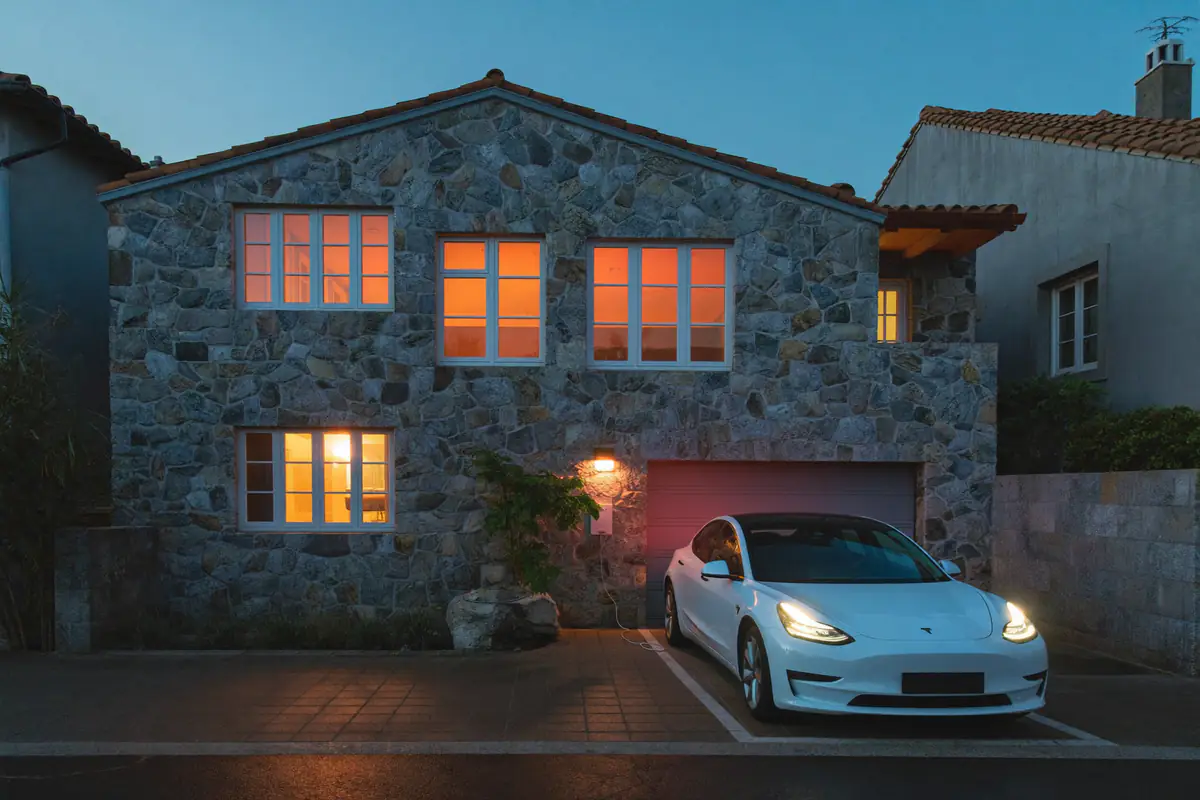
What we check on the visit
- Contracted power and household consumption
- Single or three-phase supply
- Space and condition of the panel
- Distance and route to the garage or driveway
- Indoors or outdoors, and weather protection
- Wi-Fi on site, if you want to use the app
Why a normal socket is not enough
Charging from a household socket is possible, but slow, and it keeps the socket and circuit working at their limit for hours. A wallbox charges faster and safely, on a line of its own with its own protection.
In practice it is the difference between leaving the car charging overnight without a thought and juggling sockets and extension leads.
Where the charger goes
In the garage, on the wall by the driveway or on a post outdoors. The ideal spot is close to where you park, with the cable reaching the car’s socket without crossing the way through. The further from the panel, the longer the cable route, and that counts in the proposal.
Load management and solar panels
Many chargers adjust their power to the household load, so the main breaker does not trip when the oven and washing machine are on. If you have solar panels, some models charge with surplus production. We tell you what makes sense for your case.
7.4, 11 or 22 kW?
More power does not always mean faster charging. What your car accepts and what your installation can take decide it.
7.4 kW The usual choice at home
Works with most single-phase home supplies. If you charge overnight, it is more than enough in most cases.
11 kW If you have three-phase
The most many cars accept on AC. Needs a three-phase supply and compatible contracted power.
22 kW For businesses and specific cases
Only worth it if the car accepts 22 kW on AC and the power is available. Rarely the best choice at home.
How it goes
You request a visit
Fill in the form or send an email with your type of space and town.
We talk
We call you at the time you chose to understand your case.
Site visit
We look at the panel, the power, the cable route and the building rules.
Proposal and installation
We propose the right solution, install it, test it and show you how it works.
Frequently asked questions
What wallbox power should I choose for home?
For most houses with a single-phase supply, 7.4 kW is the usual choice. With three-phase and a car that accepts it, 11 kW can be worthwhile. The differences are explained in the power guide.
Can the wallbox be outdoors?
Yes, as long as the charger has an ingress rating suitable for outdoor use and the installation is built for it (conduit, boxes and proper protection).
Do I need a new electrical panel?
Only if there is no room for the new protection devices or the panel is in poor condition. We check that on the visit.
Related guides
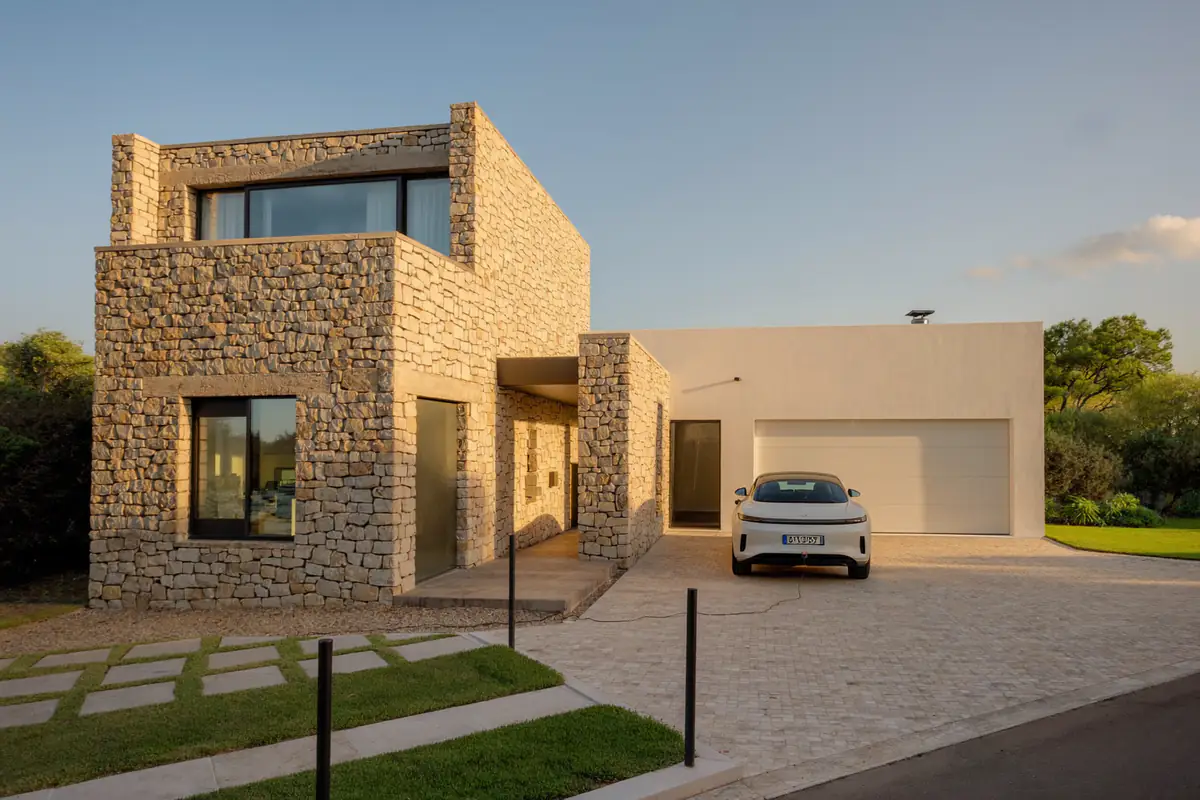 A wallbox at your house: what to check before installingSix points to look at before installing a charger at home, so there are no surprises on installation day.
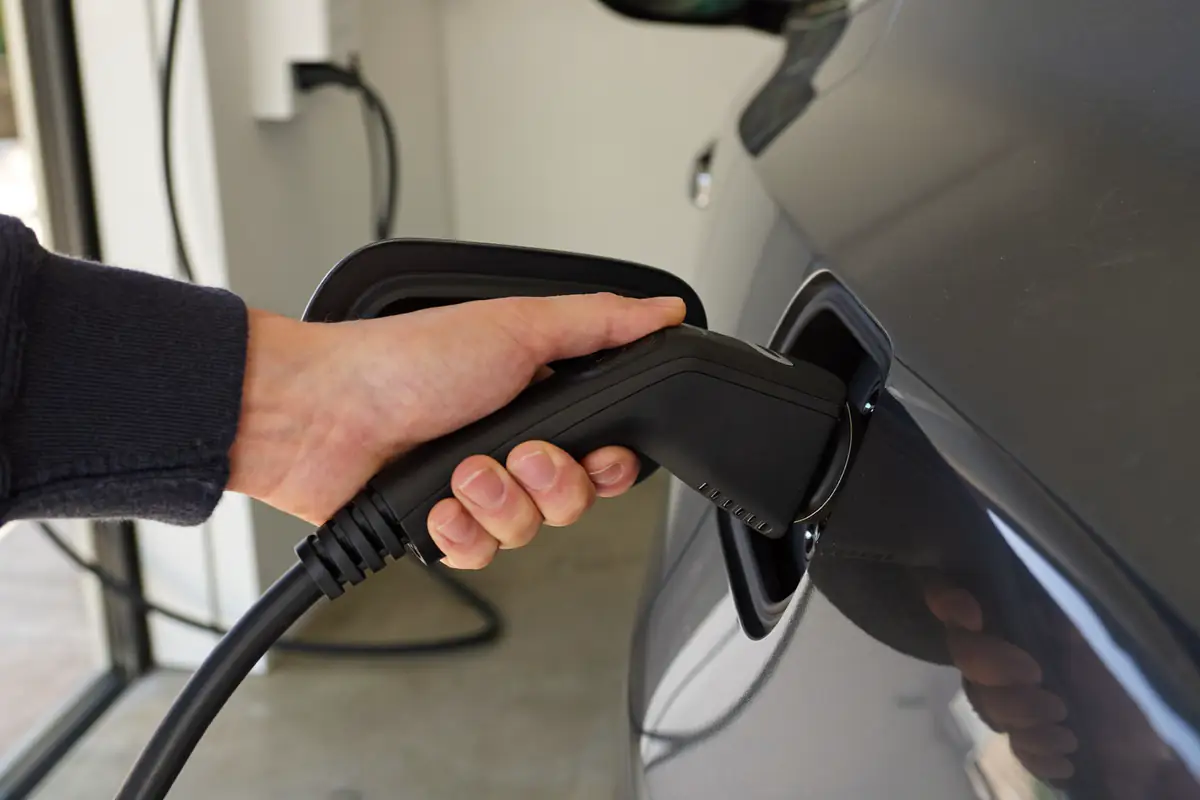 7.4 kW, 11 kW or 22 kW charger: which should you choose?More power does not always charge faster. What the car accepts, what the house can take and what makes sense day to day.
Other services
- Condominium spaceA wallbox in your parking space, on your own meter.
- Buildings, several spacesShared infrastructure for several chargers, with load management.
- Businesses and fleetsCharging for offices, shops, hotels, workshops and fleets.
- Electrical panelsPanel replacement and refurbishment, breakers and RCDs.
- Lighting and socketsLED lighting, sockets, switches and new circuits.
Tell us about your space
Tell us where you want to charge and how to reach you. We read your request, call you at the time you prefer and book a site visit.
- You send the requestThrough the form or by email.
- We call youTo understand your case and answer first questions.
- We book the visitWe look at the panel, the power and the cable route.
- You get a proposalWith the right solution for your space.